






What is the output shaft diameter of PHL planetary reducer?
Nov 19, 2025
Leave a message
Hey there! As a supplier of PHL planetary reducers, I often get asked about the output shaft diameter of these nifty pieces of machinery. So, I thought I'd take a few minutes to break it down for you.
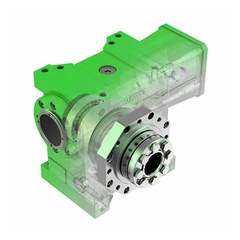
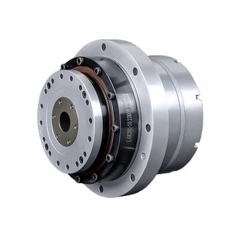
First off, let's talk about what a PHL planetary reducer is. In simple terms, it's a type of gearbox that uses a system of gears arranged in a planetary configuration. This setup allows for high torque transmission and compact design, making it a popular choice in a wide range of applications, from industrial machinery to robotics.
Now, when it comes to the output shaft diameter of a PHL planetary reducer, there's no one - size - fits - all answer. The diameter can vary depending on several factors.
Factors Affecting Output Shaft Diameter
Torque Requirements
One of the most significant factors is the amount of torque the reducer needs to handle. Torque is basically the rotational force that the output shaft has to transmit. If you're dealing with a high - torque application, like a heavy - duty conveyor system or a large - scale manufacturing machine, you'll need a larger output shaft diameter. A bigger shaft can handle more stress and prevent deformation under the high loads. For example, in a mining operation where large amounts of ore need to be moved, the PHL planetary reducers used in the conveyor belts will have a relatively large output shaft diameter to ensure reliable operation.
Speed and Precision
The speed at which the output shaft rotates and the required precision of the movement also play a role. In high - speed applications, a larger shaft diameter can help reduce vibrations and ensure smooth operation. On the other hand, for applications that demand high precision, like in a CNC machine, the output shaft diameter needs to be carefully selected to maintain the accuracy of the movement. A shaft that's too small might flex under load, leading to inaccuracies in the final product.
Application Space
The physical space available in the application can limit the size of the output shaft. In some compact designs, such as in small robotic arms, there might not be enough room for a large - diameter shaft. In these cases, the reducer needs to be designed with a smaller output shaft diameter while still meeting the performance requirements. This often involves using high - strength materials and advanced manufacturing techniques to ensure the shaft can handle the load despite its smaller size.
Typical Output Shaft Diameters
In general, the output shaft diameters of PHL planetary reducers can range from relatively small sizes, say around 10 - 20 mm, to much larger ones, up to 100 mm or more. Smaller diameters are commonly found in light - duty applications, such as in consumer electronics or small - scale automation equipment. For instance, in a small 3D printer, a PHL planetary reducer with a 10 - 15 mm output shaft diameter might be used to control the movement of the print head.
Medium - sized output shaft diameters, around 30 - 50 mm, are often used in industrial applications where moderate torque and speed are required. These could include things like small - to - medium - sized packaging machines or automated assembly lines.
Larger output shaft diameters, 60 mm and above, are reserved for heavy - duty applications, as mentioned earlier. In construction equipment or large - scale power generation plants, PHL planetary reducers with these larger shaft diameters are used to handle the massive loads and high torques involved.
Customization Options
At our company, we understand that every application is unique. That's why we offer a wide range of customization options for the output shaft diameter of our PHL planetary reducers. Whether you need a very specific diameter to fit into a tight space or a larger one to handle extreme loads, we can work with you to design and manufacture a reducer that meets your exact requirements.
We also offer different shaft end configurations, such as keyed shafts, splined shafts, or hollow shafts. A keyed shaft is a common choice as it provides a simple and reliable way to connect the output shaft to other components. Splined shafts, on the other hand, offer a more precise and stronger connection, which is useful in high - precision applications. Hollow shafts are great for applications where you need to pass cables or other components through the shaft, like in some robotic applications.
Related Products
If you're interested in other types of planetary reducers, we also have some great options. Check out our PHF Planetary Reducer. It's known for its high efficiency and smooth operation. Another option is the WAT Planetary Gearbox, which offers excellent torque transmission capabilities. And for those who need high - precision performance, the WAD High Precision Planetary Gearbox is a top - notch choice.


Contact Us for Purchase
If you're in the market for a PHL planetary reducer or any of our other products, we'd love to hear from you. Whether you have questions about the output shaft diameter, need a custom - designed solution, or just want to learn more about our products, don't hesitate to reach out. We have a team of experts ready to assist you in finding the perfect reducer for your application. Contact us today to start the conversation and take your project to the next level.
References
- "Planetary Gearbox Design and Applications" - A comprehensive guide on the design and use of planetary gearboxes in various industries.
- "Mechanical Engineering Handbook" - A valuable resource for understanding the principles of torque, speed, and shaft design in mechanical systems.
Send Inquiry